Hazard analysis in aerosol manufacturing: Complete industrial safety guide
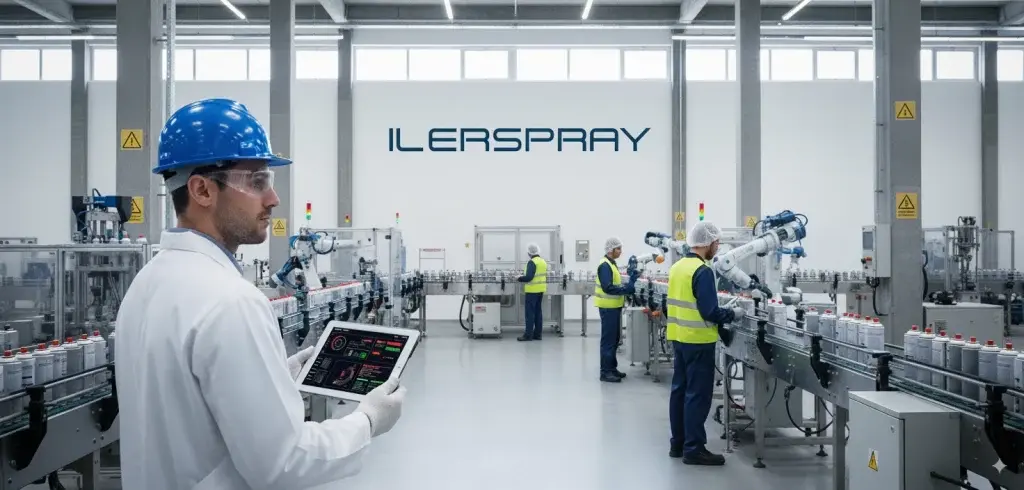
Hazard analysis in aerosol manufacturing is a fundamental pillar for ensuring the safety of both workers and the final product. This systematic process identifies, evaluates, and controls the risks associated with each stage of aerosol production.
The Spanish aerosol industry, which produces approximately 370 million units annually, handles chemical substances, pressurized gases, and processes that require exhaustive safety control. Hazard analysis allows for the anticipation of risk situations and the establishment of effective preventive measures.
Regulatory framework and applicable regulation
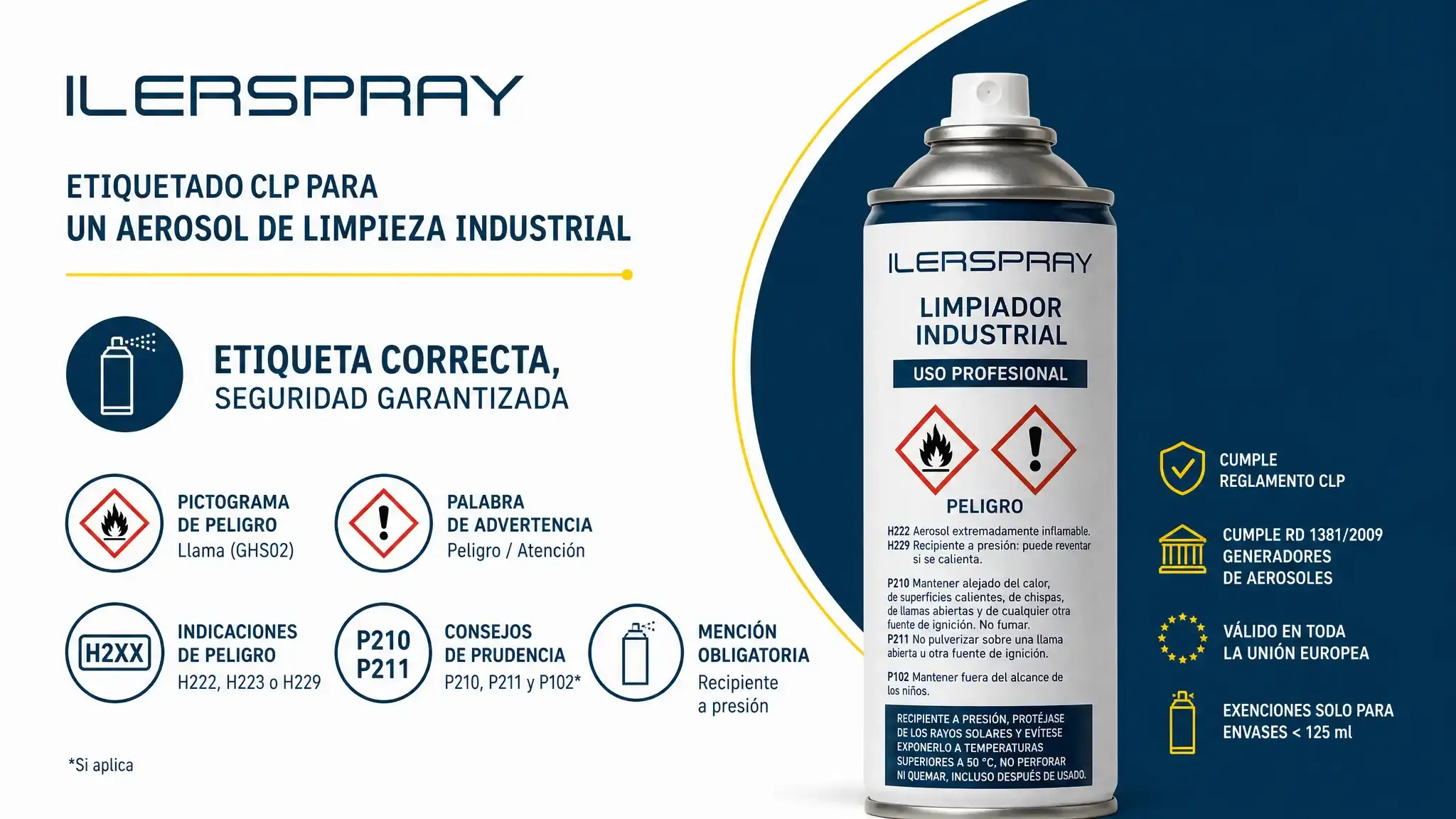
Aerosol manufacturing is subject to multiple regulations that establish minimum safety requirements. Directive 75/324/EEC regulates aerosol dispensers, while the CLP Regulation establishes the criteria for classification, labeling, and packaging of hazardous substances.
At the national level, Royal Decree 656/2017 develops the regulation on chemical storage. Manufacturing companies must comply with ATEX regulations for explosive atmospheres, given the handling of flammable propellants and volatile organic compounds (VOCs).
Identification of hazards in the production process
The main hazards identified in aerosol manufacturing include chemical, physical, and operational risks. Chemical risks stem from the handling of active ingredients, co-solvents, and propellants such as liquefied gases, some of which can be toxic or irritating.
Physical risks are associated with working pressure, which can reach values of up to 15 bar in some systems. The filling and sealing process under pressure requires specialized equipment and qualified personnel. Valve crimping and clinching operations present specific mechanical risks.
The storage of raw materials and finished products represents another critical point. Propellants must be kept under controlled temperature and pressure conditions, while some active ingredients require special preservation conditions.
Risk assessment by process phases
During the formulation phase, the main risks include exposure to organic solvent vapors and the improper mixing of incompatible components. It is essential to establish work procedures in fume hoods and use appropriate personal protective equipment.
In the filling phase, the main risk is incorrect pressurization which can cause container overpressure. Modern systems incorporate automatic weight and pressure controls that minimize these risks. The working temperature must remain stable to avoid uncontrolled pressure variations.
The sealing and crimping process requires precision in the parameters of crimp height (Hc) and crimp diameter (Dc). Poor sealing can lead to leaks or valve system failures. Subsequent hydraulic tests verify the integrity of the container.
Control of explosive atmospheres (ATEX)
Aerosol manufacturing facilities must be classified according to ATEX zones due to the presence of flammable vapors and pressurized gases. Zone 0 corresponds to areas where an explosive atmosphere exists permanently, Zone 1 where it may form occasionally, and Zone 2 where it is unlikely to form.
Electrical equipment installed in these zones must have specific ATEX certification. Ventilation systems must be designed to prevent the accumulation of flammable vapors, with air changes calculated according to the type of substances handled.
Gas detection must be implemented at strategic points in the facility, with alarms that activate emergency ventilation systems. Hot work procedures require special permits and additional safety measures.
Management of hazardous chemical substances
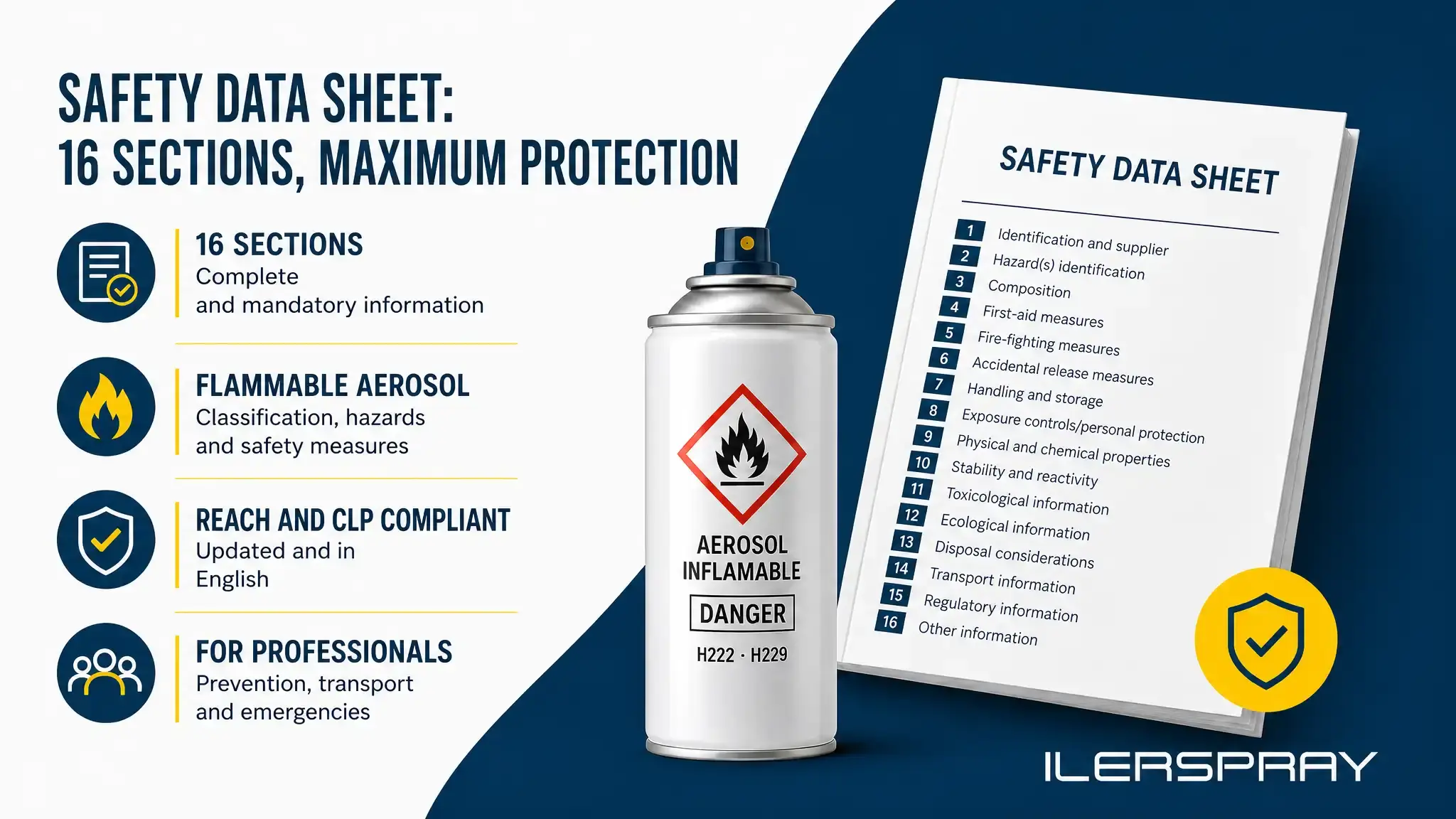
The handling of active ingredients requires updated safety data sheets (SDS) detailing the specific risks of each substance. Some aerosols contain biocides, allergenic fragrances, or compounds classified as CMR (carcinogenic, mutagenic, or toxic for reproduction).
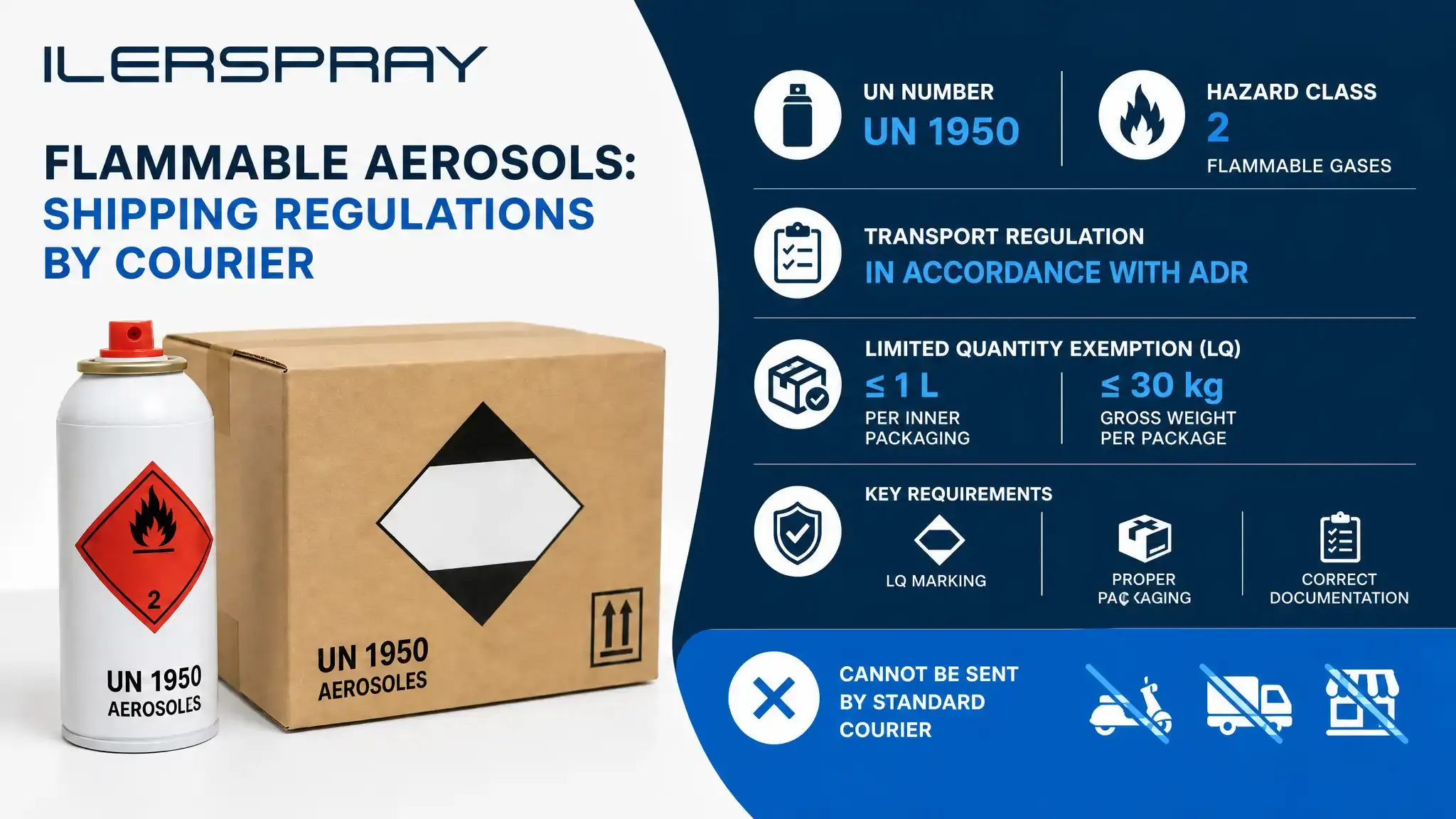
The most common propellants include hydrocarbons such as butane and isobutane, which are highly flammable. Alternative propellants like methyl formate offer environmental advantages but require specific safety evaluations. Carbon dioxide, used in some products, presents asphyxiation risks in confined spaces.
Chemical compatibility between components is crucial to avoid unwanted reactions. Three-phase systems require special attention in the selection of co-solvents and the stability of the formulation at different temperatures.
Safety and protection systems
Fire protection systems must be adapted to the specific characteristics of the stored products. Aerosols require foam or dry chemical powder extinguishing systems, as water can be counterproductive with some propellants.
Emergency showers and eyewash stations must be strategically located near chemical handling areas. Personal protective equipment includes respirators with specific filters, solvent-resistant gloves, and anti-static clothing in ATEX zones.
Emergency procedures must cover scenarios such as propellant leaks, chemical spills, and fires. Personnel must receive specific training in handling these situations and perform periodic drills.
Quality control and safety testing
Safety tests include pressure, leak, and extreme temperature behavior tests. The hot water bath at 50°C detects potential leaks in the sealing system. Drop and puncture tests verify the mechanical resistance of the container.
Control of crimp height and diameter ensures proper valve sealing. Critical parameters must be documented for each production batch. Deviations require investigation and immediate corrective actions.
Full traceability allows for the rapid identification of affected products in case of non-conformity detection. ISO 9001 quality management systems and ISO 22716 good manufacturing practices provide the necessary methodological framework.
Waste management and non-conforming products
Defective or expired aerosols require specific destruction procedures due to their pressurized content. Spanish waste regulations classify these products as hazardous waste that must be managed through authorized managers.
Controlled emptying of containers must be carried out in appropriate facilities with vapor capture systems. Metal components can be recycled once the content is completely removed. Traceability documentation must be kept according to established legal periods.
Personnel training and competencies
Personnel involved in aerosol manufacturing must receive specific training in chemical safety, handling of pressurized gases, and emergency procedures. Certification in handling hazardous substances is mandatory for certain positions.
Training programs must be updated regularly to incorporate new regulations and best practices. Competency assessment must be documented and repeated periodically. New personnel require a period of supervision before working autonomously.
Future trends in safety
Digitalization allows for the implementation of real-time monitoring systems for critical parameters such as pressure, temperature, and vapor concentration. IoT sensors can detect deviations and automatically activate corrective measures.
The development of safer and more environmentally sustainable propellants reduces the risks associated with the production process. Bag-on-Valve (BOV) systems eliminate contact between the product and the propellant, simplifying hazard analysis.
Artificial intelligence applied to predictive analysis can anticipate failures in critical equipment and optimize preventive maintenance programs. These technologies contribute to significantly reducing operational risks in aerosol manufacturing.