
Technical blog
Trends, regulations, and aerosol science.
We publish on formulation, European regulations, sustainability, and client cases. No fluff, no clickbait.
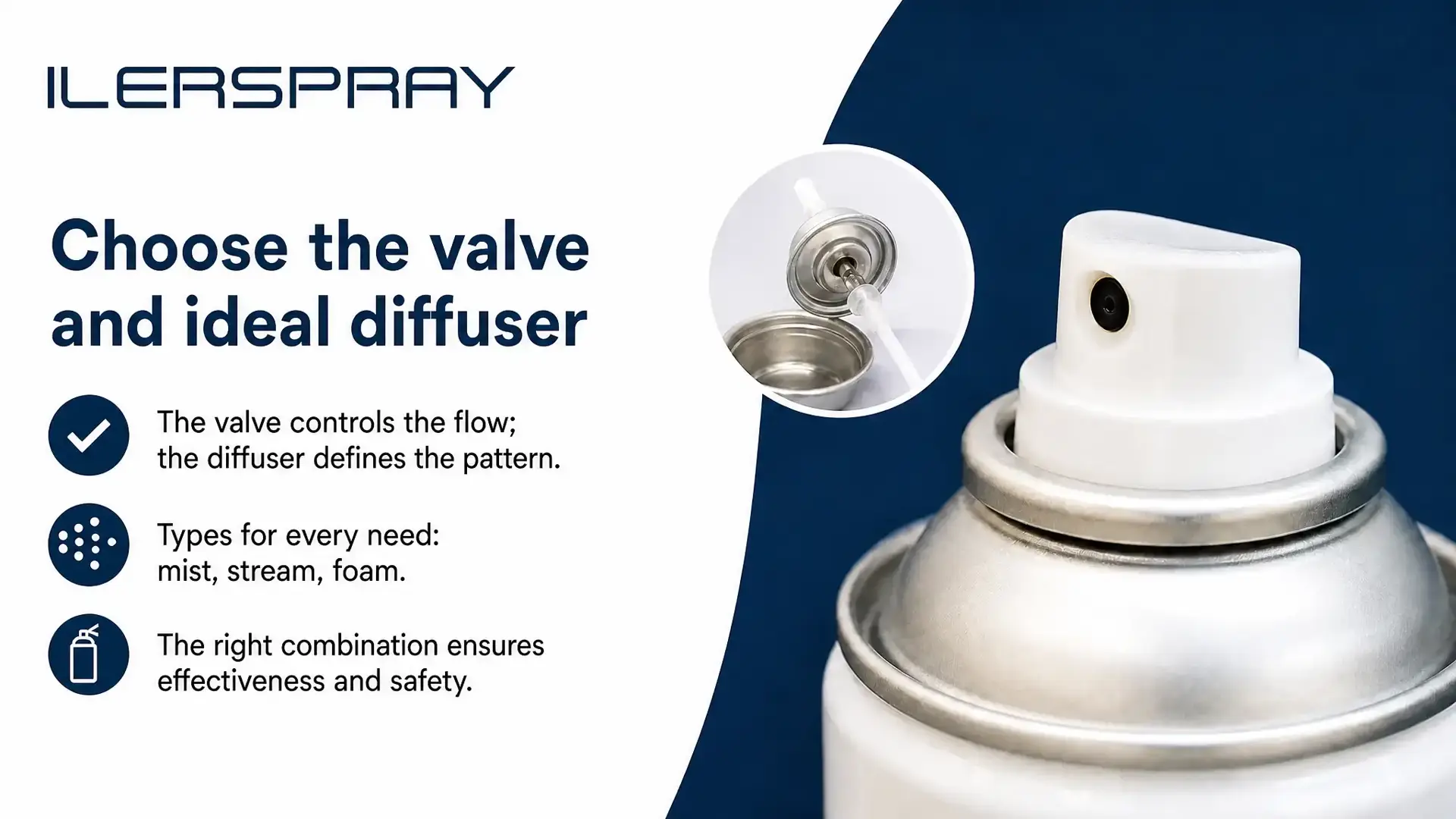
How to Choose the Valve and Actuator Your Aerosol Needs
The valve seals the aerosol and controls how much product comes out; the actuator, the button you press, shapes the output: mist, jet, fan or foam.
Read article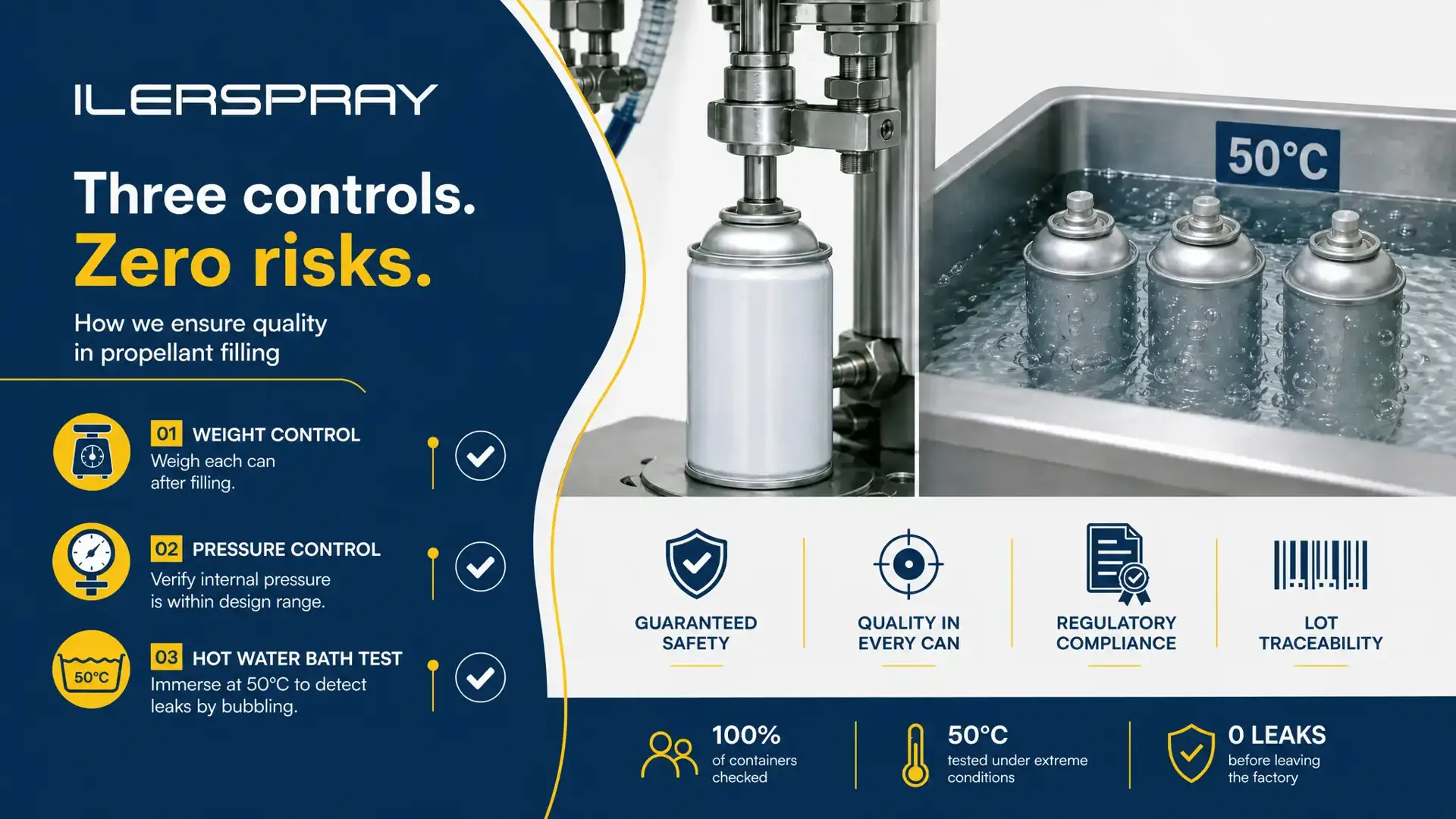
Every Aerosol Is Tested at 50 °C Before It Leaves the Factory
A filled aerosol goes through three checks at the factory: check-weighing of every can, an inspection of the crimped valve and a final test required by law.
Read article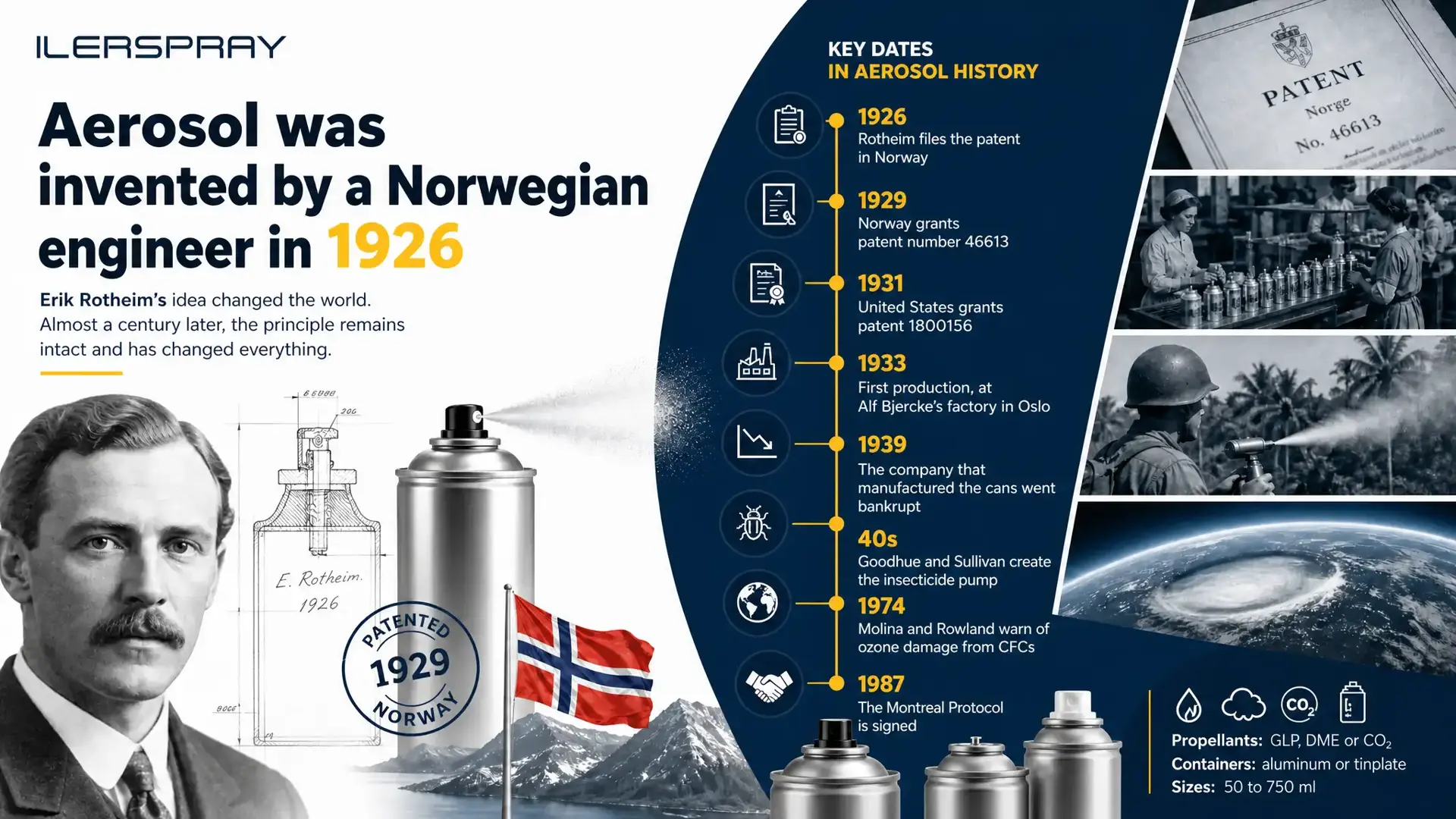
A Norwegian Engineer Invented the Aerosol Can in 1926
The aerosol can was invented by Erik Rotheim, a Norwegian engineer who in 1926 filed a Norwegian patent on a pressurised can with valve, nozzle and propellant.
Read article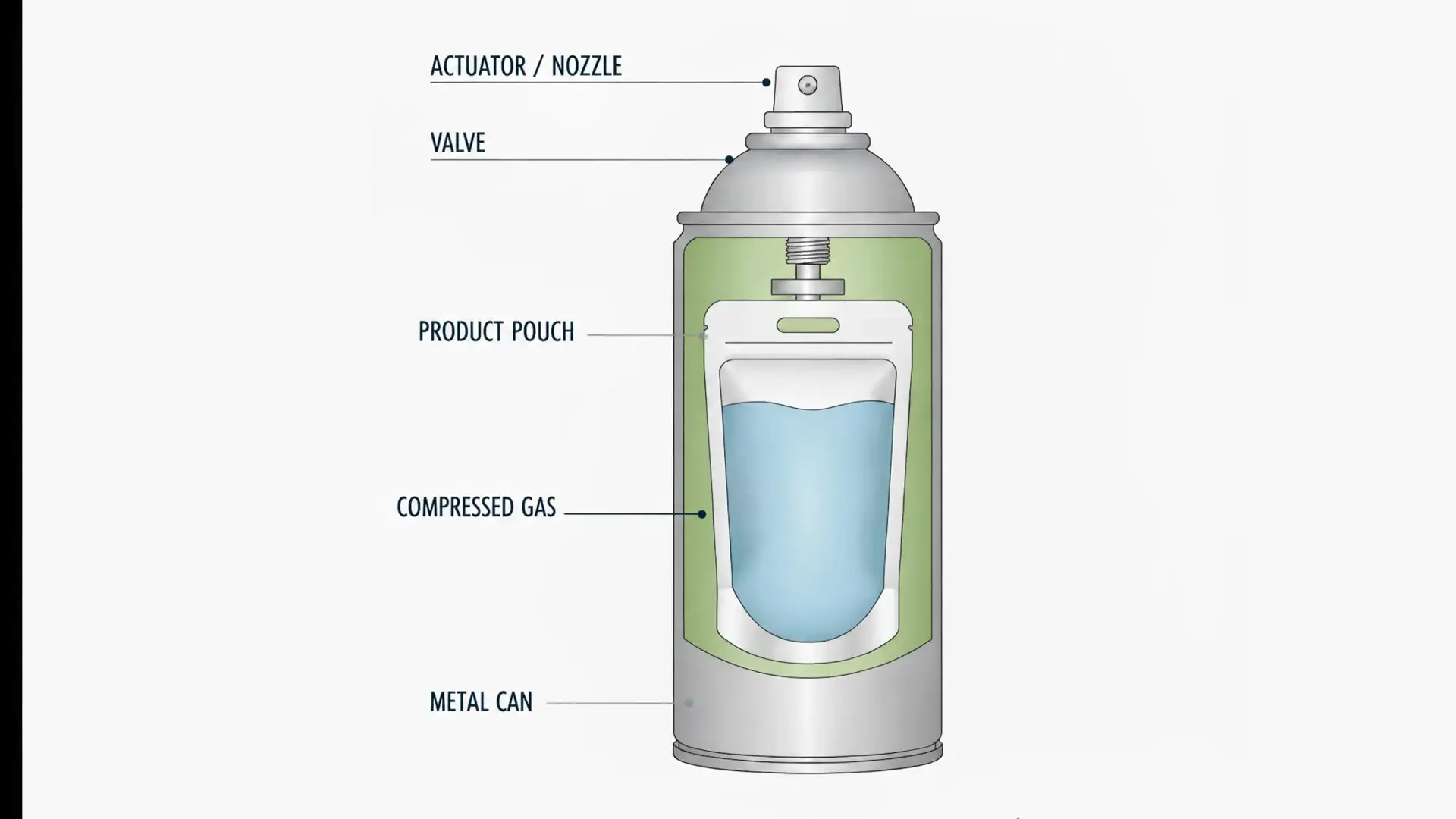
Bag-on-Valve Keeps the Product Apart from the Gas That Drives It
Bag-on-valve (BOV) is an aerosol system in which the product sits inside a bag welded to the valve and the gas stays outside it, in the can.
Read article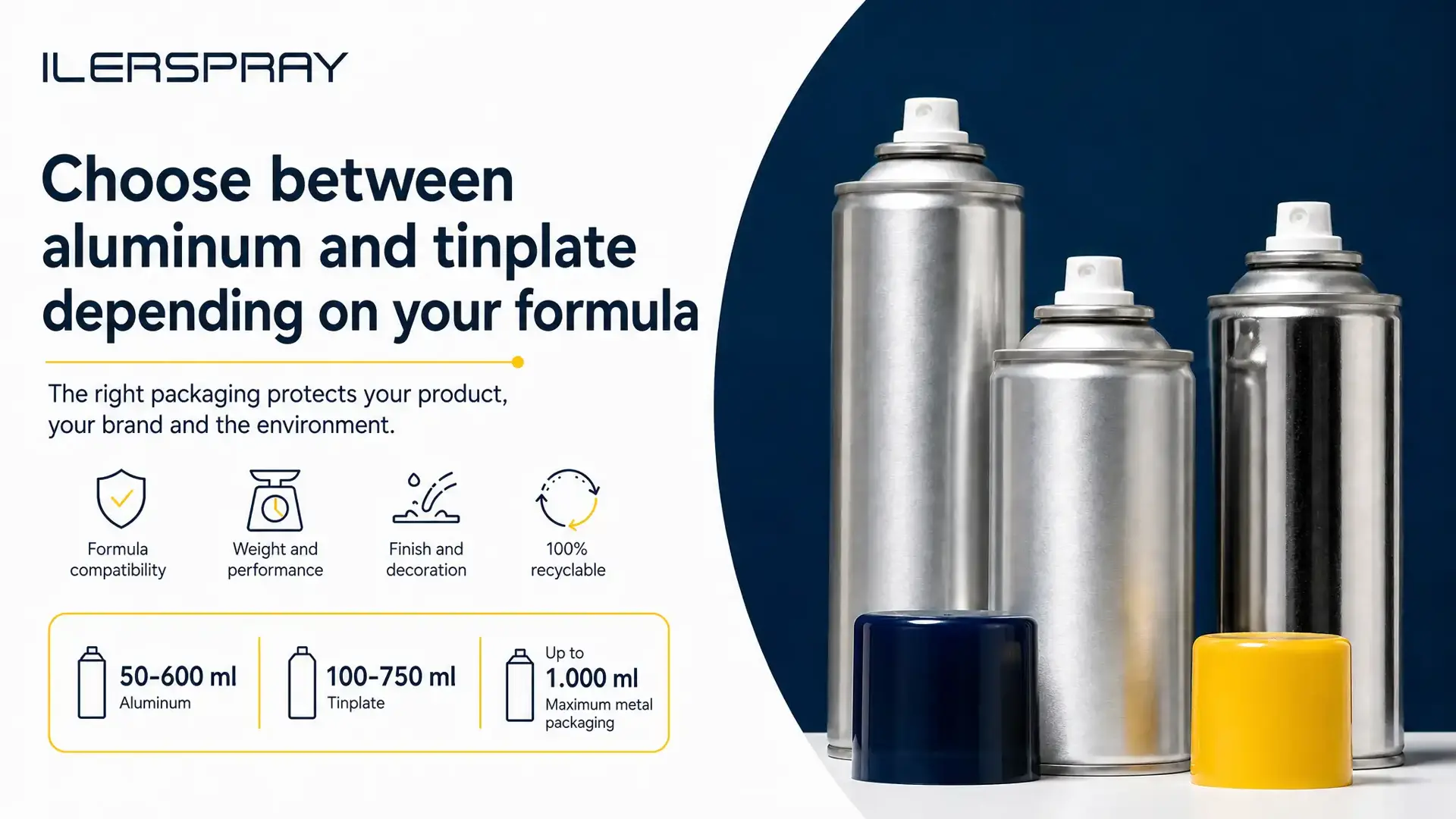
Choosing Between Aluminium and Tinplate Depends on Your Formula
The container of a spray is called an aerosol can (an aerosol dispenser, in law) and it is almost always made of aluminium or tinplate.
Read article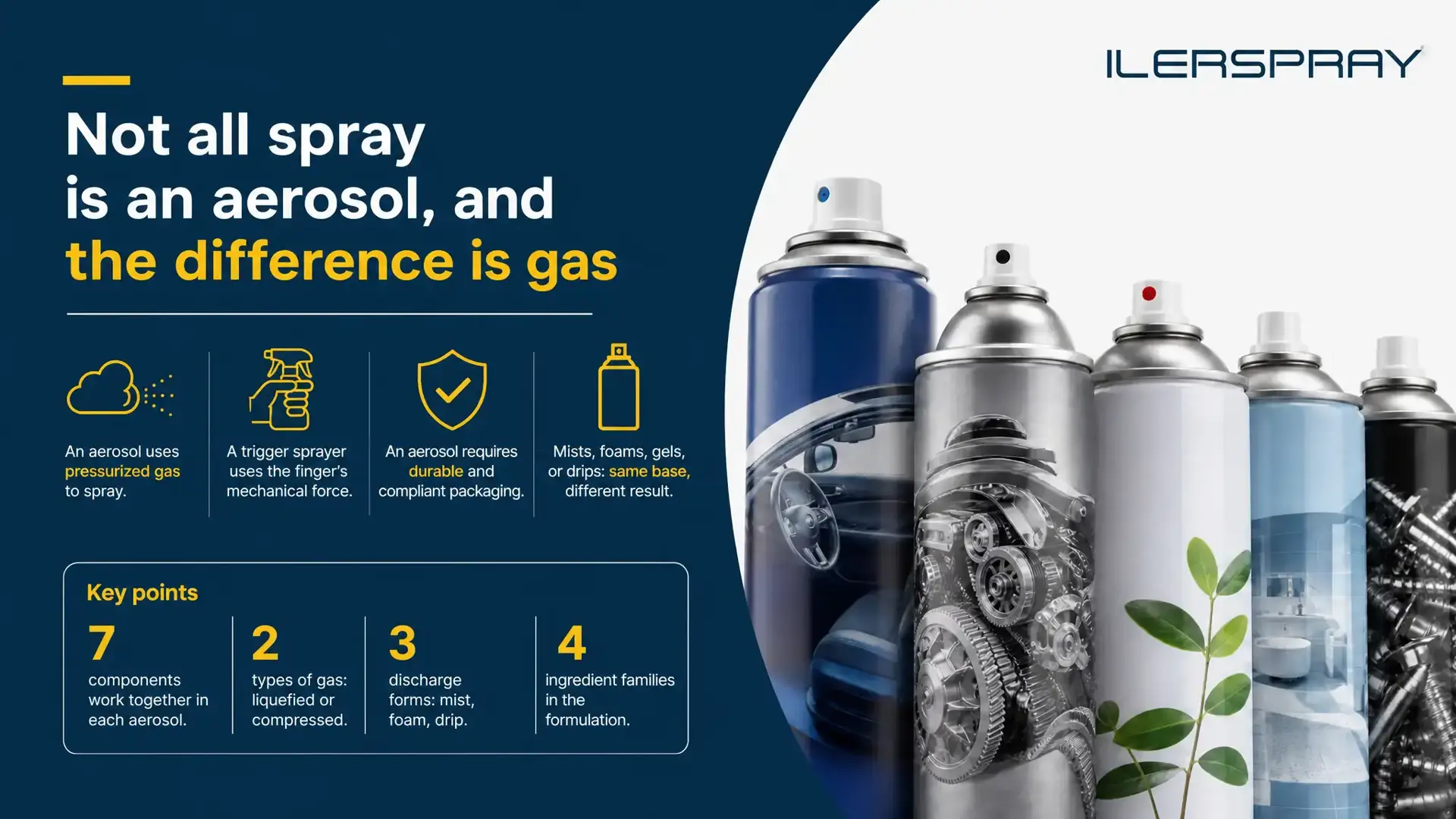
Not Every Spray Is an Aerosol, and the Difference Is the Gas
An aerosol is a pressurised container that holds a product and a propellant gas, and releases the product as a mist, foam, gel or jet when a valve is pressed.
Read article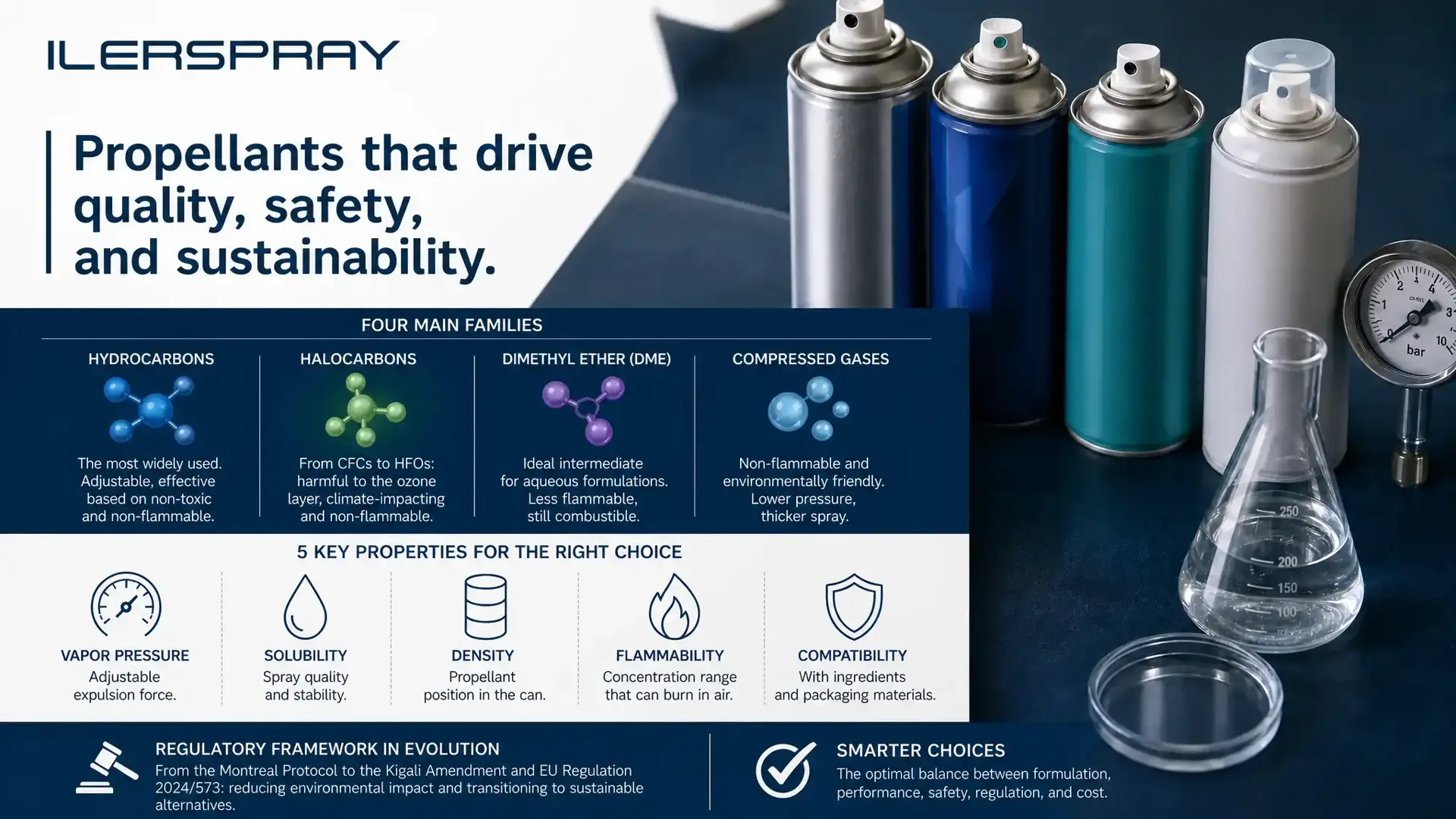
A Propellant Is the Gas That Pushes the Product Out of an Aerosol
A propellant is the pressurised gas that pushes the product out of an aerosol can and decides whether it comes out as a fine mist, a jet, a foam or a gel.
Read article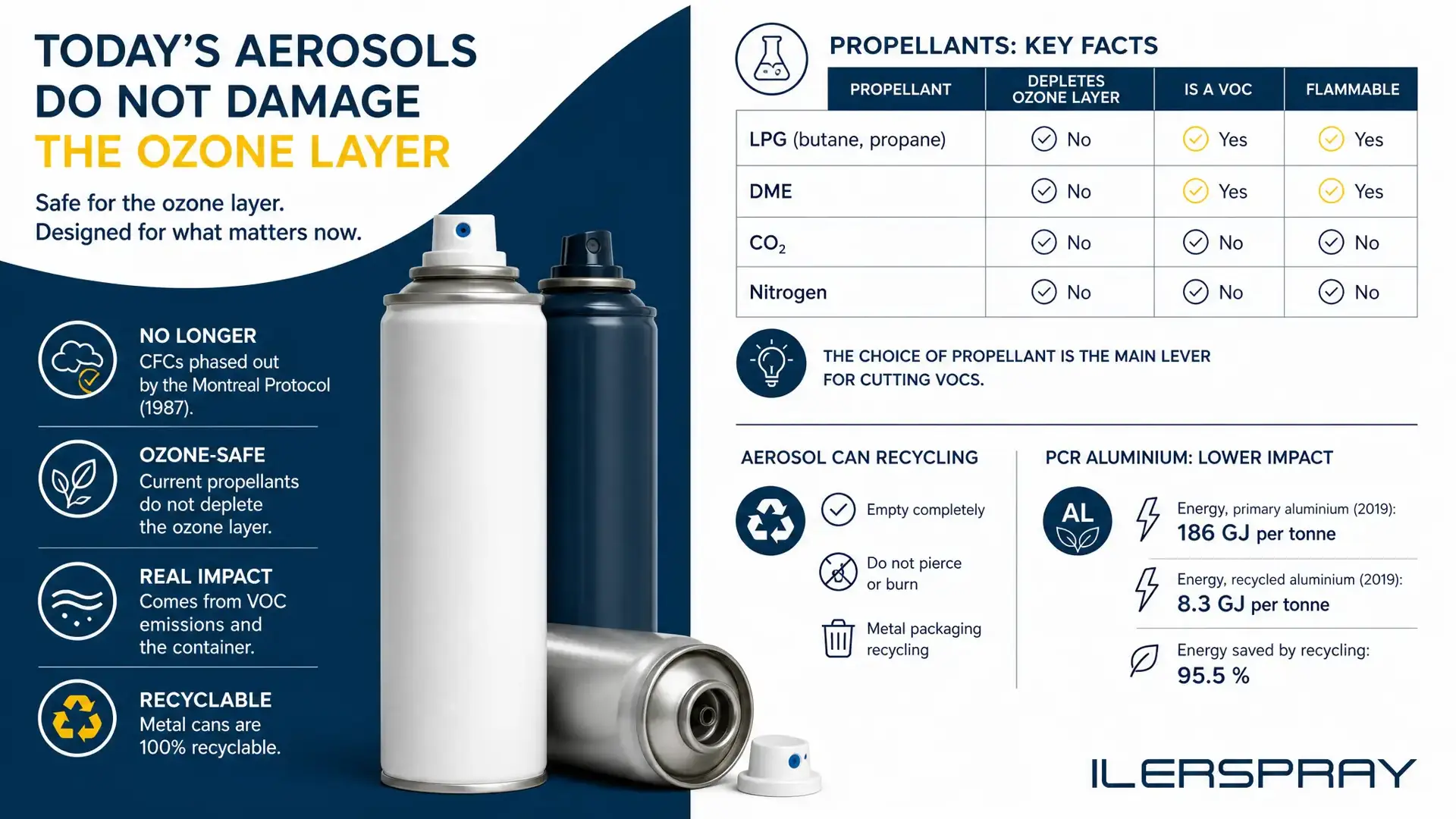
Today's Aerosols Do Not Damage the Ozone Layer
Aerosols made in Europe today do not damage the ozone layer: the CFCs that destroyed it disappeared from them under the Montreal Protocol.
Read article